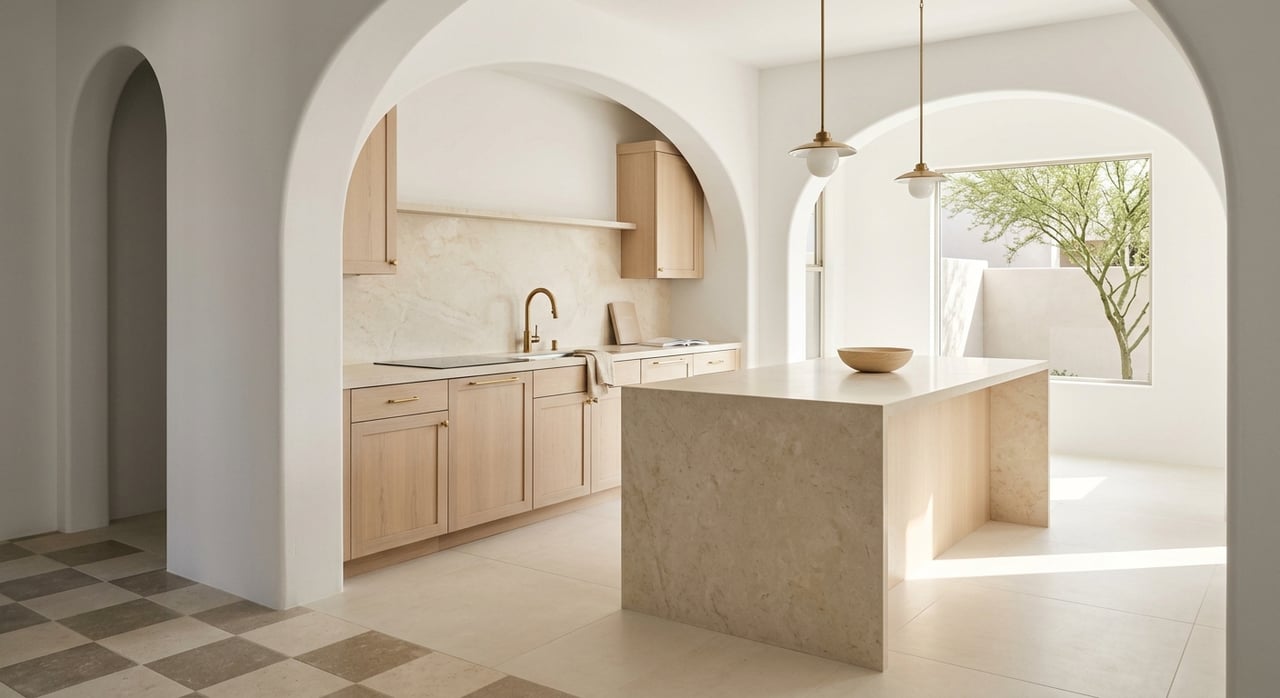
If you are thinking about buying new construction in Queen Creek, you are not alone. This fast-growing area gives you a wide range of options, from smaller single-story homes to larger luxury floor plans in amenity-rich master-planned communities. The challenge is knowing how to compare builders, lots, timelines, upgrades, and contracts without missing the details that matter. This guide will help you understand what to look for, what to ask, and how to make a smart move in Queen Creek. Let’s dive in.
Why Queen Creek draws new construction buyers
Queen Creek continues to attract buyers who want newer homes, more community options, and room to grow. According to the Town of Queen Creek, the town estimates its 2024 population at 83,700 and describes itself as one of Arizona’s fastest-growing communities.
Location also plays a big role in the area’s appeal. Queen Creek is about 10 minutes from Mesa Gateway Airport and about 45 minutes from Sky Harbor, which can matter if you commute regularly or travel often. For many buyers, that balance of accessibility and newer development is a big part of the draw.
What new construction looks like here
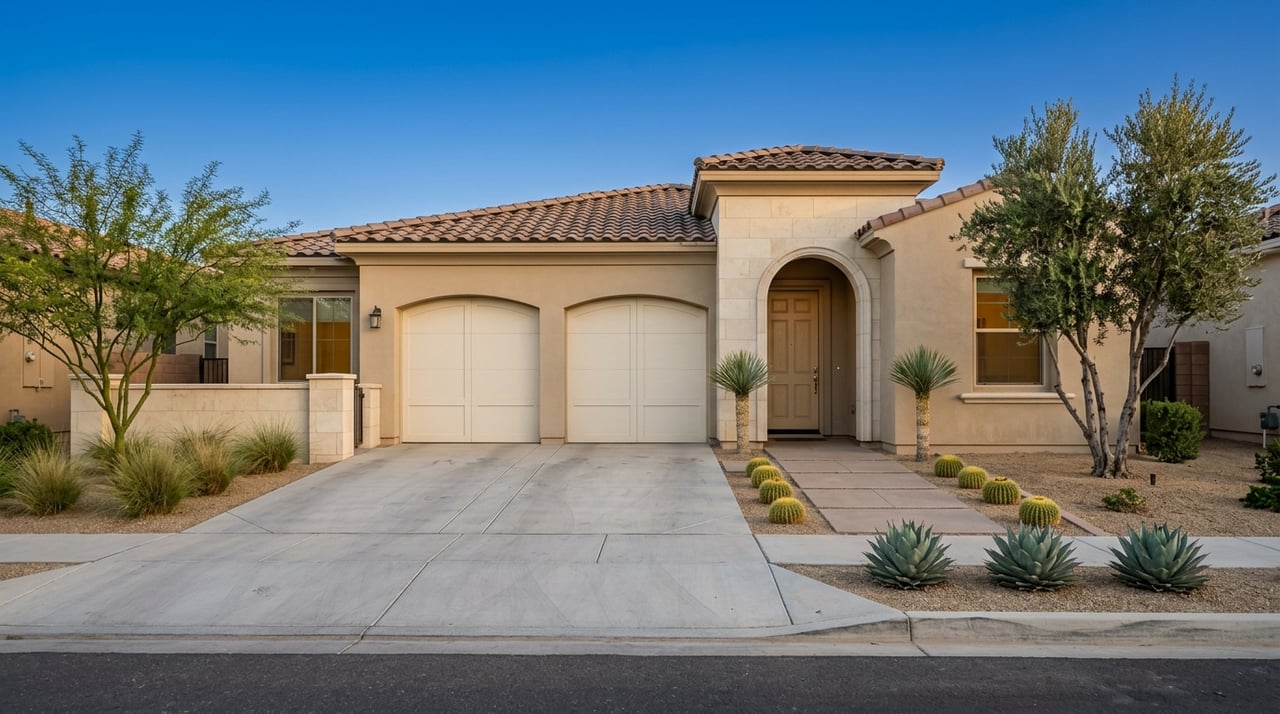
One of the biggest things to know about Queen Creek is that new construction is not one-size-fits-all. A current town development report says active residential development includes more than 30 master-planned communities, giving you a much deeper pool of options than many suburban markets.
The builder landscape is broad too. A current Queen Creek new construction snapshot shows active communities from builders such as Taylor Morrison, Shea Homes, Fulton Homes, Pulte Homes, Lennar, Woodside Homes, David Weekley Homes, Richmond American Homes, and Risewell Homes, with prices ranging from about $396,990 to $3.6 million.
That same source shows about 981 floor plans ranging from roughly 814 to 5,137 square feet. In practical terms, that means you can find entry-level options, move-up homes, multigenerational layouts, age-qualified communities, and larger luxury product all in the same town.
Compare home types carefully
Queen Creek offers a wide mix of product, so it helps to narrow your search based on how you live now and how you plan to live in the next few years. Some communities focus on efficient single-story homes, while others offer larger two-story plans, private-suite layouts, or resort-style living.
For example, Lennar at Harvest includes single-story homes from about 1,232 to 1,406 square feet in its Premier collection, while its Discovery collection ranges from about 1,816 to 2,765 square feet and includes Next Gen plans with attached private suites. That kind of variation can make a big difference if you need space for guests, a home office, or multigenerational living.
At the same time, other current Queen Creek communities span very different size ranges. NewHomeSource’s Queen Creek page shows Shea’s Acclaim at Jorde Farms at about 1,968 to 2,648 square feet, Fulton’s Barney Farms collections at roughly 1,691 to 3,595 square feet, Taylor Morrison’s Ellsworth Ranch Voyage Collection at about 2,661 to 4,517 square feet, and David Weekley’s Tierra at Legado West at about 3,904 to 4,578 square feet.
Lot size matters more than many buyers expect
When buyers first tour a model home, they often focus on finishes and floor plan. That makes sense, but the homesite can shape your day-to-day experience just as much as the house itself.
In Queen Creek, lot sizes can vary meaningfully by community and product line. For example, the Barney Farms master plan shows 1,702 lots on about 473.39 acres, with lot sizes including 48' x 120', 53' x 120', 58' x 125', and 70' x 130'.
That range is a useful reminder that “new construction” can mean different outdoor space, setbacks, and backyard potential depending on where you buy. If you care about pool space, privacy, or a larger yard, it is worth comparing homesites before you fall in love with a floor plan.
Master-planned amenities can change value
In Queen Creek, many new construction communities are designed as full master plans rather than simple subdivisions. That can affect your lifestyle, your HOA structure, and the features you use every week.
For example, Barney Farms includes a 22-acre deep-water lake, aquatic center, clubhouse, parks, and trail system. Harvest also includes amenities such as a lake, pools, splash pad, parks, and bocce ball courts.
These features can be a real benefit if they match the way you want to live. They can also be part of what makes one community feel very different from another, even when the homes are similarly priced.
Understand what is standard vs upgrade
This is one of the most important parts of buying new construction. Model homes are designed to inspire you, but not every finish, fixture, or feature you see will be included in the base price.
Some builders do package more into the standard offering. Lennar says its Everything’s Included program bundles popular upgrades and modern finishes into the base home, while Shea says SheaConnect includes a standard set of smart features with additional upgrades available at select communities.
That said, you should still ask direct questions about each home you are considering. A simple checklist can help:
- Which features are standard in this specific plan?
- Which model-home features are optional?
- Which upgrades must be selected at the design center?
- Are there lot premiums?
- Are appliance packages included?
- Are backyard features or landscaping included?
The goal is to compare the real delivered home, not just the decorated model.
Quick move-in vs to-be-built
Not every new construction purchase follows the same timeline. Some homes are built from the ground up after contract, while others are already under construction or nearly complete.
That distinction matters if you are relocating, managing a lease end date, or trying to coordinate the sale of your current home. Shea notes that quick move-in homes are near completion or finished and can be available much sooner than a typical build.
If timing is a priority, ask whether the home is:
- To be built
- Under construction
- Near completion
- Ready for immediate move-in
This can help you avoid surprises and set realistic expectations early.
Know the construction timeline
The new construction process usually includes more stages than many buyers expect. Pulte’s homebuilding guide outlines a path that includes choosing a floor plan and homesite, then moving through pre-drywall and pre-closing walkthroughs before closing.
Those checkpoints are helpful because they give you set moments to review progress and ask questions. They also show why timing matters, especially if you need to make decisions about options, financing, or your move schedule.
Read the public report and contract closely
With resale homes, buyers often focus heavily on the property itself. With new construction, a lot of the due diligence also shifts to the subdivision disclosures, contract terms, and deadlines.
The Arizona Department of Real Estate says the subdivision Public Report must be delivered before a new-home subdivision purchase contract is signed. It covers important items such as utilities, drainage, common areas, taxes and assessments, HOA details, and local services.
ADRE also advises buyers to read the purchase contract carefully and identify inspection deadlines and other important deadlines. In other words, this is not paperwork to skim. It is part of understanding exactly what you are buying and what your obligations will be.
Do not skip independent inspections
A common mistake in new construction is assuming that builder walkthroughs replace an outside inspection. They do not.
Builders such as Pulte and Shea have formal quality checkpoints during construction and after closing, which is helpful context. Still, an independent inspection can give you another layer of diligence before you close.
Think of builder walkthroughs as milestones, not substitutes. A third-party inspector can help you identify issues, document concerns, and give you a clearer picture of the home’s condition at each stage.
Understand how builder warranties work
Warranties are one of the biggest differences between buying new construction and buying resale. They can add peace of mind, but they are not unlimited coverage.
According to the Federal Trade Commission, builder warranties for newly built homes commonly run one year for workmanship and materials, two years for systems, and up to 10 years for major structural defects. The FTC also notes that warranties often exclude items like appliances, small cracks, and moving or living expenses, and some require mediation or arbitration.
Before you sign, ask for the full warranty information and review what is covered, what is excluded, and how claims are handled. That way you know what to expect after closing, not just on closing day.
Verify water-related disclosures
In Queen Creek, water-service status is an important detail to confirm. The town says current residential water customers have a 100-year assured water supply, but some undeveloped properties do not.
That means buyers should verify the specific lot and its water-service status before committing. You can review the town’s guidance on water supply and service questions.
This is a good example of why local due diligence matters. Two homes in the same broader area may not have the same development status or utility context.
Why buyer representation still matters
Many buyers walk into a builder sales office assuming the on-site team will guide them through everything. The sales consultant can absolutely explain the builder’s process and available homes, but their role is to represent the builder.
ADRE states that buyers may wish to retain a buyer’s broker, and its new-home guidance makes clear that if you continue without your own representative, you are not being represented by the developer’s agent. In a market like Queen Creek, that matters because you may need to compare multiple builders, community structures, lot types, timelines, and disclosures across a large number of active developments.
Having experienced local guidance can help you evaluate the full picture, not just one model home or one sales office. That is especially helpful if you are relocating, comparing master-planned communities, or trying to balance budget, lifestyle, and long-term fit.
If you are exploring new construction in Queen Creek and want a clear, local strategy, Martin and Hali can help you compare communities, ask the right questions, and move forward with confidence.
FAQs
What types of new construction homes are available in Queen Creek?
- Queen Creek offers a wide range of new construction, including smaller single-story homes, larger two-story homes, multigenerational layouts, luxury floor plans, and age-qualified options in master-planned communities.
What should buyers compare besides the model home in Queen Creek?
- You should compare what is standard versus upgraded, lot size, lot premium, HOA details, community amenities, construction timeline, public-report disclosures, and the warranty terms.
What is the difference between quick move-in and to-be-built homes in Queen Creek?
- Quick move-in homes are usually under construction or nearly finished and may be available sooner, while to-be-built homes generally involve a longer timeline with more steps and decisions during construction.
Do buyers still need an inspection on a new construction home in Queen Creek?
- Yes. Builder walkthroughs are useful checkpoints, but they are not a replacement for an independent inspection.
Why should buyers verify water service for a Queen Creek new construction lot?
- The Town of Queen Creek says current residential water customers have a 100-year assured water supply, but some undeveloped properties do not, so buyers should confirm the status of the specific lot before signing.